castillo interior santa teresa pdf

Santa Teresa’s “Castillo Interior” (1577) guides spiritual development through service and prayer‚ envisioning the soul as a castle with seven mansions.

Historical Context of the Work

“The Interior Castle‚” penned by Saint Teresa of Ávila in 1577‚ emerged during a pivotal era of the Counter-Reformation. Spain‚ a staunch defender of Catholicism‚ faced internal religious and political turmoil. Teresa’s Carmelite reforms aimed to revitalize the order‚ emphasizing a return to its original austerity and contemplative practices.

The work itself was composed at her convent in Ávila‚ reflecting the societal pressures and spiritual fervor of the time. It was initially intended as a guide for her sisters‚ offering practical advice on prayer and spiritual growth. Later‚ at the request of her confessors‚ she revised and expanded it. The 1588 publication‚ prepared by Fray Luis de León‚ solidified its place within Catholic spirituality‚ offering a profound exploration of the soul’s journey towards union with God.

Saint Teresa of Ávila: A Brief Biography

Saint Teresa of Ávila (1515-1582)‚ a Spanish Carmelite nun‚ is a towering figure in both Catholic mysticism and Spanish literature. Born in Ávila‚ Spain‚ she experienced a profound conversion in her youth‚ leading her to join the Carmelite Order. Dissatisfied with the laxity within some convents‚ she spearheaded a significant reform movement‚ founding numerous Discalced Carmelite convents.

A prolific writer‚ Teresa’s works‚ including “The Interior Castle‚” offer invaluable insights into her spiritual experiences and contemplative practices. She was declared a Doctor of the Church in 1970‚ recognizing the universal importance of her teachings. Her life‚ marked by both intense spiritual joy and physical suffering‚ continues to inspire seekers on the path to divine union‚ and her writings remain central to Carmelite spirituality.

The Original Manuscript and Publication (1577 & 1588)

Saint Teresa penned “The Interior Castle” in 1577‚ intending it as a guide for her sisters in the Carmelite Order‚ detailing the soul’s journey toward God. However‚ she initially hesitated to publish it widely‚ fearing misinterpretation. The work wasn’t printed during her lifetime‚ but circulated in manuscript form amongst her followers.

The first published edition appeared in 1588‚ three years after her death‚ meticulously prepared by Friar Luis de León. This edition‚ significantly‚ included revisions and a preface by de León‚ shaping its initial reception. Later editions and translations have become widely available‚ including numerous PDF versions today‚ allowing access to her profound spiritual insights for a global audience. The 1588 edition remains a crucial reference point for scholars.

Understanding the Metaphor: The Castle

Santa Teresa utilizes the castle metaphor to illustrate the soul’s interiority‚ comprised of seven mansions representing stages of spiritual growth towards union with God.

The Soul as a Castle

Santa Teresa’s central metaphor in “The Interior Castle” depicts the soul not as a fragile entity‚ but as a magnificent castle‚ intricately designed and possessing multiple dwelling places – the seven mansions. This isn’t merely a symbolic representation; it’s a profound understanding of the human spirit’s capacity for divine intimacy. The castle’s structure signifies the inherent potential within each person to encounter God.

The castle isn’t built externally‚ but resides within‚ awaiting exploration and renovation through prayer and virtuous living. Each mansion represents a deepening level of relationship with God‚ moving from the outer courtyard of initial conversion to the innermost sanctuary of complete union. Santa Teresa emphasizes that this castle is the individual‚ highlighting personal responsibility in the spiritual journey. Understanding this metaphor is crucial for interpreting the entire work and its path to divine connection.

The Seven Mansions: An Overview

“The Interior Castle” outlines a progressive spiritual journey through seven distinct “mansions” within the soul’s castle. These aren’t physical locations‚ but stages of prayer and closeness to God. The first mansion represents initial conversion and awareness of sin‚ while the second details the early stages of prayer‚ often marked by struggle and distraction.

The third mansion introduces vocal prayer and the acceptance of suffering‚ leading to more intense prayer and consolation in the fourth. Mansions five and six describe the profound experiences of the prayer of union and spiritual marriage‚ respectively. Finally‚ the seventh mansion signifies complete union with God‚ a state of perfect love and surrender. Santa Teresa presents these as steps‚ though not necessarily linear‚ emphasizing the transformative power of persistent prayer and divine grace throughout the journey.

The Central Role of Prayer

Prayer is not merely a component of Santa Teresa’s “Interior Castle”; it is the pathway through it. Each mansion is accessed and deepened through different forms of prayer‚ evolving from vocal prayer to intense contemplation and ultimately‚ union with God. She emphasizes that prayer isn’t about eloquent words‚ but about a heartfelt conversation with a loving God.

The journey isn’t automatic; it requires consistent effort‚ humility‚ and a willingness to embrace both consolation and desolation. Santa Teresa stresses that God initiates the process‚ but individuals must actively cooperate with divine grace. The “Castillo Interior” serves as a practical guide‚ offering insights into overcoming obstacles and cultivating a deeper‚ more intimate relationship with the divine through dedicated prayer and self-reflection.

Exploring the Seven Mansions in Detail

Santa Teresa details seven progressive stages of spiritual growth within the soul’s castle‚ each representing a deeper level of intimacy with God.

First Mansion: The Outer Courtyard ⎼ Initial Conversion

The First Mansion‚ representing the soul’s outer courtyard‚ signifies the initial conversion experience. This stage involves recognizing God’s existence and acknowledging one’s sins‚ prompting a desire for improvement. However‚ it’s characterized by significant distractions and struggles against worldly attachments.

Santa Teresa describes this as a difficult place‚ filled with unpleasant creatures symbolizing temptations and imperfections. Despite the discomfort‚ it’s a crucial starting point‚ requiring effort to ward off these disturbances through prayer and self-discipline.

The soul begins to understand the necessity of interior life‚ though it remains vulnerable and easily swayed. This initial stage lays the foundation for further spiritual progress‚ demanding humility and perseverance to navigate the challenges and move inward towards deeper communion with God.

Second Mansion: The Preliminary Stages of Prayer

The Second Mansion depicts the soul’s initial steps into prayer‚ moving from the chaotic outer courtyard towards a more focused interior. This stage isn’t yet deep contemplation‚ but rather a beginning of earnest effort to connect with God. Distractions still abound‚ but the soul actively resists them‚ striving for recollection and mental quietude.

Santa Teresa explains that prayer at this level is often laborious and imperfect‚ involving vocal prayer and meditation. The soul experiences a growing awareness of God’s presence‚ accompanied by a sense of joy and peace‚ though these are fleeting.

It’s a period of learning and practice‚ where the soul develops the habit of turning inward and seeking God’s will. This mansion requires consistent effort and a willingness to endure dryness and difficulty‚ as the path to deeper prayer is paved with perseverance.

Third Mansion: Beginning of Vocal Prayer and Suffering

Entering the Third Mansion‚ the soul intensifies its prayer life‚ marked by a greater commitment to vocal prayer and a growing awareness of its own sinfulness. This realization brings a profound sense of sorrow and repentance‚ leading to a period of spiritual suffering. Santa Teresa describes this suffering not as punishment‚ but as a purifying fire that burns away imperfections.

The soul begins to recognize the gravity of its offenses against God and experiences genuine contrition. This mansion is characterized by a struggle against temptation and a desire for greater purity. While consolations may still occur‚ they are less frequent and less relied upon.

The individual actively seeks God’s forgiveness and strives to amend their life‚ understanding that true progress requires humility and self-denial. It’s a challenging stage‚ but essential for preparing the soul for deeper union with God.

Fourth Mansion: Intense Prayer and Consolation

The Fourth Mansion signifies a deepening of the prayer life‚ characterized by more frequent and intense periods of vocal prayer and contemplation. Santa Teresa details how the soul now finds greater ease and delight in communicating with God‚ experiencing profound spiritual consolations. These consolations aren’t sought after‚ but are received as gifts from divine grace.

However‚ this mansion isn’t solely about pleasant feelings. The soul also experiences a heightened awareness of God’s presence and a growing detachment from worldly concerns. There’s a noticeable increase in self-knowledge and a stronger resolve to live according to God’s will.

While suffering may still arise‚ it’s now viewed with acceptance and offered to God. The individual understands that both consolation and desolation are opportunities for spiritual growth‚ and learns to rely on God’s providence in all circumstances.

Fifth Mansion: The Prayer of Union

Entering the Fifth Mansion marks a significant turning point – the beginning of true union with God. Santa Teresa describes this as a state where the will is completely aligned with the divine will‚ and the soul experiences a profound sense of peace and joy. This isn’t merely an emotional experience‚ but a deep‚ transformative encounter with the divine.

The individual in this mansion finds themselves increasingly detached from external stimuli‚ drawn inward to a continuous conversation with God. Vocal prayer diminishes as contemplation deepens‚ and the soul rests in the loving presence of its Creator.

This union isn’t constant‚ but rather comes in waves‚ leaving the soul longing for more. It’s a foretaste of the complete union promised in the higher mansions‚ and a powerful motivator for continued spiritual growth.

Sixth Mansion: The Prayer of Spiritual Marriage

The Sixth Mansion represents the “Prayer of Spiritual Marriage‚” a profound and intimate union with God described by Santa Teresa as a complete surrender of the soul. It’s not a physical union‚ but a mystical bonding where the will and desires of the individual are perfectly united with the divine will. This is a state of profound peace and joy‚ exceeding anything experienced in previous mansions.

Here‚ the soul is no longer merely in God‚ but with God‚ experiencing a closeness akin to a loving spouse. External distractions fade almost entirely‚ and the individual lives increasingly in the presence of God.

However‚ Santa Teresa cautions that even in this state‚ imperfections remain‚ and the soul must continue striving for complete purification and humility.

Seventh Mansion: Complete Union with God

The Seventh Mansion signifies the most profound level of union with God‚ a state of complete transformation and blissful surrender described by Santa Teresa. It’s a dwelling place of perfect love‚ where the soul is fully immersed in the divine essence‚ experiencing an overwhelming sense of peace and joy. This isn’t merely a fleeting experience‚ but a sustained state of being.

Here‚ the soul’s identity is almost lost in God‚ yet simultaneously strengthened and perfected. All desires are aligned with the divine will‚ and the individual operates as an instrument of God’s love in the world.

Santa Teresa emphasizes this mansion is rarely attained and requires immense dedication and grace‚ representing the ultimate goal of the spiritual journey.

Key Themes and Concepts

Santa Teresa’s work highlights humility‚ divine grace‚ overcoming spiritual obstacles‚ and understanding consolation/desolation—essential for progressing through the castle’s mansions.

The Importance of Humility

Santa Teresa de Ávila consistently emphasizes humility as foundational for spiritual advancement within “The Interior Castle.” She argues that recognizing one’s own limitations and dependence on God is crucial for receiving divine grace and progressing through the mansions.

Without humility‚ she believes‚ the soul remains trapped in the outer courtyards‚ unable to embark on the journey inward. Pride and self-reliance act as significant barriers‚ hindering the soul’s ability to surrender to God’s will.

Teresa illustrates that true understanding of oneself—acknowledging imperfections—opens the path to genuine spiritual growth. Humility isn’t self-deprecation‚ but a realistic assessment allowing God’s transformative power to work effectively. It’s a continuous process‚ vital throughout all stages of prayer and union.

The Role of Divine Grace

Throughout “The Interior Castle‚” Santa Teresa de Ávila underscores that spiritual progress isn’t achieved through personal effort alone‚ but fundamentally relies on divine grace. She portrays God as the active force‚ initiating and sustaining the soul’s journey towards union.

Grace isn’t merely assistance; it’s the very power enabling the soul to even desire God and navigate the challenging path through the mansions. Teresa stresses that individuals can’t manufacture spiritual experiences; they must humbly open themselves to receive God’s gifts.

The various stages of prayer and transformation described within the castle are presented as manifestations of God’s loving initiative. Without grace‚ the soul remains incapable of overcoming obstacles and attaining lasting union. It’s a constant‚ freely given gift.

Overcoming Obstacles to Spiritual Growth

Santa Teresa de Ávila‚ in “The Interior Castle‚” acknowledges numerous impediments hindering spiritual advancement. These aren’t external forces‚ but often internal – attachments to worldly comforts‚ excessive self-reliance‚ and a lack of humility. She identifies a tendency to prefer “the comforts” over the Cross as a significant obstacle‚ diverting the soul from genuine union with God.

Teresa emphasizes the importance of recognizing and confronting these weaknesses. She doesn’t advocate for a passive acceptance of difficulties‚ but rather a proactive effort‚ guided by grace‚ to detach from distractions and cultivate inner stillness.

Furthermore‚ she warns against seeking extraordinary experiences‚ as these can become another form of attachment. True progress lies in consistent‚ humble prayer and a willingness to surrender to God’s will‚ even amidst periods of desolation.

The Nature of Consolation and Desolation

Santa Teresa de Ávila‚ within “The Interior Castle‚” offers nuanced insights into spiritual consolation and desolation. She doesn’t view consolation as the ultimate goal‚ but rather as a welcome gift from God‚ aiding progress but not essential for growth. It’s a gentle encouragement‚ not a sign of inherent merit.

Conversely‚ desolation – a sense of spiritual emptiness or difficulty in prayer – isn’t necessarily a punishment. Teresa stresses that God allows these periods to test our resolve and deepen our reliance on divine grace. She cautions against judging one’s spiritual state based solely on feelings.

True discernment lies in recognizing both as transient experiences‚ maintaining steadfast faith and continuing prayer regardless of emotional state. Attachment to consolation can be as detrimental as succumbing to despair during desolation.

“The Interior Castle” and Mystical Tradition

Santa Teresa’s work connects deeply with other mystics‚ profoundly influencing Carmelite spirituality and holding a significant place within Catholic theological discourse.

Connections to Other Mystics

“The Interior Castle” resonates with the writings of other prominent mystics‚ revealing shared experiences and pathways to divine union. Santa Teresa’s detailed exploration of the soul’s journey echoes themes found in the works of Saint John of the Cross‚ particularly his “Dark Night of the Soul‚” which similarly addresses spiritual purification and the challenges encountered on the mystical path.

Her emphasis on interiority and the importance of prayer aligns with the teachings of figures like Meister Eckhart and Hildegard of Bingen‚ who also prioritized direct experience of the divine. The castle metaphor itself finds parallels in other mystical traditions‚ representing the human soul as a sacred space to be explored and transformed.

Furthermore‚ the progressive stages of spiritual growth outlined in the seven mansions reflect a common mystical understanding of ascending levels of consciousness and closeness to God‚ demonstrating a universal yearning for ultimate reality.

Influence on Carmelite Spirituality

“The Interior Castle” profoundly shaped Carmelite spirituality‚ becoming a cornerstone of the Order’s mystical tradition. Santa Teresa’s emphasis on interior prayer‚ humility‚ and detachment from worldly concerns directly informed the reforms she initiated within the Carmelite Order‚ aiming for a return to its original charism of contemplative life.

The book served as a guide for her Discalced Carmelite nuns‚ providing a framework for their spiritual formation and daily practice. Its detailed descriptions of the stages of prayer and the challenges encountered along the way offered practical guidance for navigating the inner landscape of the soul.

Even today‚ “The Interior Castle” remains essential reading for Carmelites‚ inspiring them to deepen their relationship with God through contemplative prayer and a commitment to living a life of simplicity and self-surrender.

The Work’s Place in Catholic Theology

“The Interior Castle” holds a significant position within Catholic theology‚ particularly in the realm of mystical theology and spiritual doctrine. Santa Teresa’s work offers a systematic‚ yet experiential‚ account of the soul’s journey towards union with God‚ resonating with the broader theological framework of grace‚ virtue‚ and the pursuit of holiness.

The book’s emphasis on the inherent dignity of the human person‚ created in God’s image‚ aligns with core Catholic teachings. Her descriptions of divine grace actively working within the soul provide a nuanced understanding of the relationship between human effort and divine assistance.

Furthermore‚ “The Interior Castle” has been studied by theologians for its insights into the nature of prayer‚ contemplation‚ and the transformative power of love‚ solidifying its place as a classic of Catholic spirituality.

Finding and Accessing the PDF Version

Numerous reliable sources offer the “Castillo Interior” PDF‚ including online libraries and Catholic websites‚ with various translations readily available for study.

Reliable Sources for the “Castillo Interior” PDF

Locating a trustworthy PDF version of Santa Teresa de Ávila’s “Castillo Interior” requires careful consideration. Several online repositories specialize in Catholic literature and offer digitized copies. Project Gutenberg is a valuable resource‚ providing free ebooks‚ including translations of Saint Teresa’s works. Internet Archive also hosts numerous scans and PDFs‚ though verifying the translation’s accuracy is crucial.

Directly accessing resources from Carmelite orders or Catholic dioceses ensures authenticity. Websites affiliated with Carmelite monasteries often provide downloadable PDFs. Additionally‚ reputable theological libraries and university digital collections frequently contain scholarly editions. Be cautious of unofficial websites‚ prioritizing sources with clear provenance and established reputations to guarantee a reliable and accurate text of this spiritual classic.

Different Translations Available

Several English translations of “Castillo Interior” (The Interior Castle) exist‚ each offering a unique interpretation of Santa Teresa de Ávila’s original Spanish text. The translation by Kieran Kavanaugh and Otilio Rodriguez is widely regarded for its accuracy and readability‚ often favored by scholars. Another popular option is the translation by John of the Cross‚ though it reflects his own theological perspective.

When seeking a PDF version‚ note the translator to understand the nuances of the language. Some translations prioritize literal accuracy‚ while others emphasize a more fluid‚ contemporary style. Comparing excerpts from different translations can illuminate subtle differences in meaning. Consider your purpose – scholarly study or personal devotion – when selecting a translation to best suit your needs and deepen your understanding of this mystical masterpiece.

Considerations When Using Digital Texts

Accessing a “Castillo Interior” PDF offers convenience‚ but requires mindful consideration. Ensure the source is reputable to guarantee an accurate transcription of Santa Teresa de Ávila’s work‚ avoiding errors introduced during digitization. Different PDFs may vary in formatting and include differing introductory materials or notes.

Be aware of potential copyright restrictions when downloading and sharing digital copies. Cross-reference passages with a physical edition‚ if possible‚ to verify accuracy. Digital texts lack the tactile experience of a book‚ potentially diminishing contemplative immersion. Prioritize a distraction-free environment when reading digitally to fully engage with the spiritual depth of “The Interior Castle‚” fostering a deeper connection with Santa Teresa’s teachings.

Study and Interpretation

Scholarly analyses and commentaries illuminate “The Interior Castle‚” aiding modern readers in applying Santa Teresa’s principles to contemporary spiritual journeys.

Commentaries and Scholarly Analyses

Numerous commentaries exist to aid understanding of “The Interior Castle‚” offering diverse perspectives on Santa Teresa’s mystical journey. Scholars explore the work’s allegorical layers‚ dissecting the symbolism of the castle and its mansions. Analyses delve into the psychological and spiritual implications of each stage‚ connecting them to broader mystical traditions.

Researchers examine the historical context‚ considering Santa Teresa’s life and the Carmelite reform movement. Some analyses focus on the literary aspects‚ appreciating the work’s unique style and narrative structure. Others explore the theological underpinnings‚ relating the text to Catholic doctrine and the nature of divine grace. Accessing these scholarly resources‚ often found alongside PDF versions‚ enriches the reading experience and fosters deeper comprehension of this profound spiritual guide.

Applying the Principles to Modern Life

Despite being written centuries ago‚ “The Interior Castle” offers remarkably relevant guidance for contemporary spiritual seekers. The concept of the “mansions” can be interpreted as stages of personal growth‚ applicable beyond religious contexts. Cultivating inner humility‚ as Santa Teresa emphasizes‚ remains crucial for self-awareness and emotional maturity.

The book’s focus on overcoming obstacles resonates with modern challenges – stress‚ anxiety‚ and distractions. Practicing consistent “prayer‚” redefined as mindful introspection‚ can foster inner peace. Recognizing the importance of divine grace encourages openness to support and serendipity. Studying the PDF version allows for personal reflection‚ prompting individuals to map their own “interior castle” and navigate their unique spiritual path towards self-discovery and wholeness.

The Enduring Relevance of Saint Teresa’s Teachings

Santa Teresa of Ávila’s “The Interior Castle” continues to inspire centuries after its creation‚ demonstrating the timelessness of its wisdom. The work’s exploration of the soul’s journey towards union with the divine transcends specific theological boundaries‚ appealing to a broad audience seeking inner peace and meaning.

The availability of the “Castillo Interior” PDF facilitates wider access to her teachings‚ allowing modern readers to engage directly with her profound insights. Her emphasis on humility‚ grace‚ and overcoming internal obstacles remains powerfully relevant in today’s complex world. The book’s enduring appeal lies in its practical guidance for cultivating a deeper relationship with oneself and a higher power‚ offering a path towards lasting fulfillment and spiritual growth.

Continue Reading

cobra radar detector manual

Cobra offers reliable radar/laser detection‚ providing drivers with crucial alerts. Explore detailed manuals like the SLR 500 RU guide‚ ensuring optimal performance and safety on the road.

What is a Radar Detector?

A radar detector is an electronic device designed to detect radar signals emitted by law enforcement officials utilizing radar guns to measure vehicle speed. These devices alert drivers to the presence of these signals‚ allowing them to check their speed and potentially avoid speeding tickets. Cobra radar detectors‚ as detailed in their manuals – such as the RAD 380 Quick Start Guide – utilize various bands (X‚ K‚ Ka) to scan for these signals.

They function by receiving microwave energy and interpreting it as a potential speed-monitoring threat‚ providing a crucial layer of awareness for drivers.

Why Choose Cobra?

Cobra has established itself as a leading brand in radar and laser detection technology‚ offering a wide range of models to suit diverse needs and budgets. Their commitment to innovation‚ exemplified by features like SWS (Super Wide Spectrum) technology in models like the XRS 9930‚ provides enhanced detection capabilities.

Cobra also prioritizes user-friendliness‚ providing comprehensive manuals – including downloadable PDFs like the SLR 500 RU manual – and quick start guides. Choosing Cobra means investing in a reliable‚ well-supported product designed to enhance driving safety and awareness.

Understanding Your Cobra Radar Detector

Cobra detectors utilize X-Band‚ K-Band‚ and Ka-Band alerts‚ alongside laser detection. Refer to your specific model’s manual for detailed feature explanations.

Key Features and Benefits

Cobra radar detectors boast several key features designed to enhance driving safety and awareness. The Xtreme Range Superheterodyne technology‚ found in models like the XRS 9930‚ significantly improves detection capabilities. Benefits include early warning of police radar‚ minimizing surprise encounters and promoting safer driving habits.

Many Cobra units offer advanced functionalities like voice alerts for hands-free operation and VG-2 alert detection‚ countering radar countermeasures. SWS (Super Wide Spectrum) technology further broadens the range of detected signals. The manual mute function provides quick silencing of false alarms‚ and detailed manuals explain each feature thoroughly‚ ensuring users maximize their detector’s potential.

Components and Parts Identification

A typical Cobra radar detector‚ as outlined in various manuals‚ includes the main detector unit housing the antenna and circuitry. Essential components are the power cord (typically a cigarette lighter plug)‚ and a windshield or dashboard mounting bracket for secure placement.

Key external parts include the display screen showing signal strength and band identification (X‚ K‚ Ka)‚ alert buttons for muting or customizing settings‚ and volume control. Internal components‚ not user-serviceable‚ comprise the radar receiver‚ laser sensor‚ and processing chip. Refer to your specific model’s guide for detailed diagrams and part locations.

Setting Up Your Cobra Radar Detector

Initial setup involves connecting the power cord and choosing a mounting location—windshield or dashboard—as detailed in the Cobra manual for optimal functionality.

Initial Setup and Powering On

Before your first drive‚ carefully review the Cobra radar detector’s manual‚ such as the quick start guide for the RAD 380 model‚ available on Cobra’s website. Connect the power cord to a 12V accessory outlet in your vehicle. The detector should power on automatically‚ initiating a self-test sequence.

Ensure a secure connection to avoid interruptions during operation. Familiarize yourself with the power button’s location‚ typically on the side or rear of the unit. Some models feature automatic power-on/off functionality when vehicle ignition is detected. Proper initial setup‚ as outlined in your specific model’s documentation‚ is crucial for reliable performance.

Mounting Options (Windshield‚ Dashboard)

Cobra radar detectors typically offer versatile mounting options. Utilize the included suction cup mount for secure attachment to your windshield‚ ensuring a clear view without obstructing visibility; Alternatively‚ some models support dashboard mounting using a non-slip mat or adhesive disc – check your manual.

Proper positioning is vital for optimal signal reception. Avoid placing the detector directly behind metallic surfaces or objects that could interfere with radar waves. Refer to your specific model’s guide (like the Vedetta SLR 500 RU) for detailed instructions and recommended mounting locations for best performance.

Adjusting Volume and Sensitivity

Cobra radar detectors allow customization of audio alerts and detection range. Use the volume control buttons to adjust the sound level to your preference‚ ensuring you can clearly hear warnings without distraction. Sensitivity settings control the detector’s range and responsiveness; higher sensitivity detects signals further away but may increase false alerts.

Consult your manual – such as the RAD 380 Quick Start Guide – for specific instructions on adjusting these settings. Experiment to find the optimal balance between range and false alert reduction for your driving environment. Remember‚ proper adjustment enhances the detector’s effectiveness.

Using Your Cobra Radar Detector

Cobra detectors alert you to X‚ K‚ and Ka-band radar‚ plus laser signals. Utilize features like City/Highway mode and manual mute for optimized performance.

Understanding Signal Alerts (X-Band‚ K-Band‚ Ka-Band)

Cobra radar detectors identify three primary radar bands: X‚ K‚ and Ka. X-band is older technology‚ frequently used in older police radar systems. K-band is more prevalent and offers a wider range. Ka-band represents the most modern and powerful radar technology currently employed by law enforcement.

Your Cobra detector will provide distinct alerts for each band‚ varying in tone and intensity. Understanding these signals is crucial for informed driving. Stronger signals indicate closer proximity to a radar source. Be aware that false alerts can occur from non-police sources‚ necessitating careful interpretation of the received signals.

Laser Detection and Alerts

Cobra radar detectors also incorporate laser detection capabilities‚ alerting you to laser-based speed measurement devices. Unlike radar‚ laser guns pinpoint a specific vehicle instantly. Laser alerts are typically indicated by a distinct audible tone and visual display on your Cobra unit.

Because laser detection offers limited warning time due to its instantaneous nature‚ immediate action is crucial. Laser signals are directional‚ meaning the detector will indicate the direction from which the laser originates. Remember that laser detection can be affected by obstructions and environmental factors‚ requiring vigilant attention while driving.

City Mode vs. Highway Mode

Cobra radar detectors feature City and Highway modes to optimize performance based on driving conditions. City Mode reduces the sensitivity of the detector‚ minimizing false alerts common in urban environments from sources like automatic door openers and local ordinance radar.

Highway Mode increases sensitivity‚ maximizing range for detecting distant radar signals on open roads. Switching between modes is typically done via a button press on the detector. Understanding when to utilize each mode is vital for effective radar detection‚ balancing alert frequency with long-range capabilities for a safer driving experience.

Manual Mute Function

Cobra radar detectors include a convenient Manual Mute function‚ allowing drivers to temporarily silence an audio alert with a simple press of a button. This is particularly useful for dismissing non-threatening false alarms‚ preventing unnecessary distractions while driving.

The manual indicates momentarily pressing the Mute button will quiet the alert‚ while the detector continues scanning for threats. The mute function doesn’t disable detection; it only silences the audio. Re-activating audio alerts is automatic‚ ensuring you remain aware of potential radar or laser signals on the road.

Advanced Features

Cobra detectors boast features like voice alerts‚ VG-2 detection‚ and SWS technology‚ enhancing performance and providing comprehensive protection against various radar and laser threats.

Voice Alerts and Customization

Cobra radar detectors often include voice alert functionality‚ announcing the type of radar signal detected – X-Band‚ K-Band‚ or Ka-Band – allowing drivers to keep their eyes on the road. This feature significantly improves situational awareness without requiring constant visual confirmation of the display;

Many models also offer customization options for these voice alerts‚ enabling users to adjust the volume or select specific alerts they wish to hear. This personalization ensures a tailored experience‚ minimizing distractions and maximizing the effectiveness of the detector. Refer to your specific model’s manual for detailed instructions on accessing and configuring these voice alert settings.

VG-2 Alert Detection

Some Cobra radar detectors are equipped with VG-2 alert detection capability. VG-2 is a device used by law enforcement to detect the presence of radar detectors‚ effectively rendering them useless if detected. Cobra’s VG-2 alert feature warns drivers when a VG-2 device is in proximity‚ allowing them to take appropriate action.

However‚ it’s important to note that VG-2 technology is not widely used anymore. Your detector’s manual will detail how to enable and interpret VG-2 alerts. Understanding this feature can provide an extra layer of awareness‚ though its relevance has diminished over time due to the decline in VG-2 deployment.

SWS (Super Wide Spectrum) Technology

Cobra’s SWS (Super Wide Spectrum) technology is a key feature in many of their radar detectors‚ notably the XRS 9930. This advanced technology enhances the detector’s ability to receive a broader range of radar signals‚ increasing detection range and reducing false alarms. It effectively scans across all current and future radar frequencies.

The manual explains that SWS improves sensitivity‚ allowing the detector to pick up weaker signals from distant sources. This results in earlier warnings‚ giving drivers more time to react. Refer to your specific model’s manual for details on optimizing SWS performance and understanding its benefits in various driving conditions.

Troubleshooting Common Issues

The manual assists with resolving problems like false alerts or power failures. It guides users through minimizing interference and ensuring proper detector functionality.

False Alerts and How to Minimize Them

Cobra radar detector manuals address the common issue of false alerts‚ often triggered by non-police radar sources. Utilizing “City Mode” significantly reduces these occurrences by lowering sensitivity to weaker signals frequently emitted in urban environments. Understanding signal types – X-Band‚ K-Band‚ and Ka-Band – helps differentiate legitimate threats from harmless interference.

The manual also suggests adjusting sensitivity levels to filter out unwanted signals. Regularly updating your detector’s software‚ if applicable‚ can improve its ability to distinguish between genuine radar and false alarms. Remember that automatic door openers and other devices can sometimes cause brief‚ non-threatening alerts.

No Power/Detector Not Turning On

If your Cobra radar detector fails to power on‚ consult the manual for troubleshooting steps. First‚ verify the power source – ensure the unit is securely connected to the cigarette lighter or hardwired power supply. Check the fuse within the detector or the vehicle’s fuse box‚ replacing if necessary.

Inspect the power cord for any visible damage. If using a hardwire kit‚ confirm the connection to the ignition switch is functioning correctly. A completely discharged vehicle battery can also prevent the detector from powering up. If issues persist‚ contact Cobra support for further assistance.

Weak Signal Reception

Experiencing weak signal reception with your Cobra detector? The manual suggests several checks. Ensure a clear line of sight – obstructions like metallic coatings on windshields can interfere. Verify proper mounting; repositioning might improve reception. Adjust the sensitivity settings; higher sensitivity detects weaker signals but increases false alerts.

Environmental factors‚ such as heavy traffic or geographical terrain‚ can also impact performance. Confirm the detector’s antenna is clean and undamaged. If the problem continues‚ consider the detector may require professional servicing or a software update‚ if available.

Maintenance and Care

Cobra manuals recommend regular cleaning with a damp cloth. Store your detector safely when not in use‚ avoiding extreme temperatures and direct sunlight.

Cleaning Your Radar Detector

Maintaining your Cobra radar detector’s cleanliness ensures optimal performance and longevity. Regularly wipe down the exterior casing with a soft‚ damp cloth to remove dust‚ dirt‚ and fingerprints. Avoid using harsh chemicals‚ abrasive cleaners‚ or solvents‚ as these can damage the plastic components and sensitive electronics.

Pay particular attention to the lens area‚ ensuring it remains free from obstructions. For stubborn grime‚ lightly dampen the cloth with a mild soap solution‚ then wipe clean with a dry cloth. Never immerse the detector in water or allow liquids to enter the internal components. Proper cleaning contributes to reliable operation and extends the life of your Cobra device.

Storing Your Radar Detector

When not in use‚ proper storage of your Cobra radar detector is crucial to prevent damage and maintain functionality. Always store the unit in a cool‚ dry place‚ away from direct sunlight and extreme temperatures. Avoid leaving it exposed in a vehicle for extended periods‚ especially during hot weather‚ as this can harm the internal components.

To further protect your investment‚ consider storing the detector in its original packaging or a protective case. This safeguards against dust‚ scratches‚ and accidental impacts. Remember to remove batteries for prolonged storage to prevent corrosion. Secure storage ensures your Cobra detector remains ready for reliable use whenever needed.

Specific Cobra Models & Manuals

Cobra provides accessible manuals for models like the Vedetta SLR 500 RU and RAD 380‚ available online for quick start guides and detailed instructions.

Cobra Vedetta SLR 500 RU Manual

The Cobra Vedetta SLR 500 RU manual‚ downloadable as a PDF (SLR_500RU_600RU-manual.pdf‚ 1041K)‚ comprehensively details this digital radar and laser detector’s functions. It covers everything from initial setup and operation to understanding various alert types. Users will find explanations of features designed to enhance driving awareness and safety.

The manual outlines how to interpret X-Band‚ K-Band‚ and Ka-Band signals‚ alongside laser detection capabilities. It also explains specific functionalities unique to the SLR 500 RU model‚ ensuring users can maximize its performance. Detailed diagrams and step-by-step instructions are included for easy understanding and effective use of the device.

Cobra RAD 380 Quick Start Guide

The Cobra RAD 380 Quick Start Guide provides essential instructions for immediate use of your new radar/laser detector. It acknowledges your smart choice in selecting a Cobra product and directs users to the full manual available at www.cobra.com for comprehensive details.

This guide highlights key features‚ enabling quick setup and operation. It emphasizes the Manual Mute function‚ allowing drivers to temporarily silence audio alerts with a simple press. The guide ensures a fast and efficient introduction to the RAD 380’s core functionalities‚ getting you protected on the road swiftly and effectively.

Cobra XRS 9930 Features

The Cobra XRS 9930 boasts a 12-band radar detector‚ utilizing Cobra’s Xtreme Range Superheterodyne Technology for enhanced detection capabilities. This advanced technology significantly improves the range and accuracy of alerts‚ keeping drivers informed of potential threats.

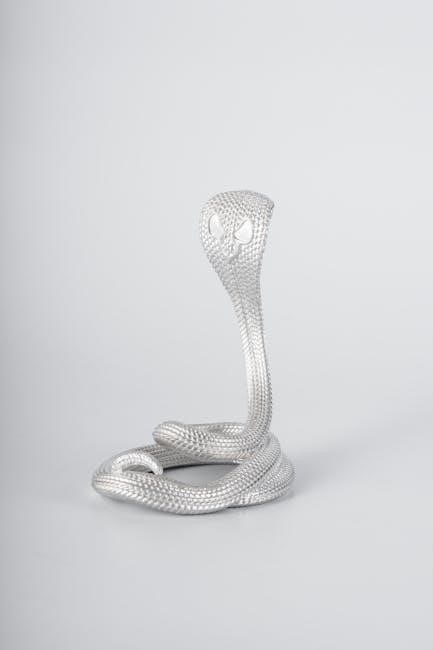
The manual details features designed for user convenience and safety. Remember to conceal the detector when leaving your vehicle to prevent theft and damage‚ as highlighted in the documentation. Cobra and its snake imagery are registered trademarks‚ signifying quality and reliability in radar detection technology.

Legal Considerations

Radar detector laws vary significantly by state and region; consult local regulations before use. Responsible operation‚ as outlined in the Cobra manual‚ is essential.

Radar Detector Laws by State/Region

Cobra radar detector operation is subject to varying legal restrictions across different states and regions. It’s crucial to understand these laws before using your device to avoid potential penalties. Some jurisdictions completely prohibit radar detectors‚ while others allow their use but may restrict certain features or placement within the vehicle.

For instance‚ detectors might be illegal in Hawaii‚ Virginia‚ and Washington D.C. Always consult your state’s specific vehicle code or a reliable legal resource. The Cobra manual emphasizes user responsibility regarding legal compliance. Ignoring these regulations can result in fines or other legal consequences. Staying informed ensures safe and lawful operation of your radar detection technology.

Responsible Use of Radar Detection Technology

The Cobra radar detector is a tool to enhance awareness‚ not encourage reckless driving. Prioritize safety and adhere to all traffic laws. A radar detector should never be a substitute for attentive driving and responsible speed management. The manual stresses that detection alerts don’t guarantee the absence of law enforcement.

Avoid distractions caused by adjusting settings or reacting solely to alerts. Always maintain a safe following distance and be prepared for unexpected situations. Remember‚ responsible use includes respecting the safety of all road users. Conceal your Cobra detector when parked to deter theft‚ as highlighted in various manuals.

Safety Precautions

Cobra manuals advise concealing the detector from view when leaving your vehicle to prevent theft and potential damage‚ ensuring device security and peace of mind.

Avoiding Theft and Damage

Cobra radar detector manuals consistently emphasize the importance of securing your device to deter theft. Always remove the detector from plain sight when exiting your vehicle‚ as visible electronics can attract unwanted attention. Storing it in a glove compartment or under a seat offers better concealment.

Furthermore‚ protect the detector from extreme temperatures and direct sunlight‚ which can damage its internal components. Handle the device with care‚ avoiding drops or impacts. Regularly inspect the mounting hardware to ensure a secure attachment‚ preventing accidental dislodgement while driving. Following these precautions will prolong the life of your Cobra detector and safeguard your investment.

Driving Safely While Using a Radar Detector

Cobra radar detector manuals stress that these devices are driver aids‚ not substitutes for attentive driving. Always prioritize obeying traffic laws and maintaining a safe following distance. Do not become fixated on the detector’s alerts; remain focused on the road and surrounding conditions.

Remember‚ a radar detector only indicates the potential presence of radar or laser; it doesn’t guarantee a clear path. Adjust your speed responsibly and be prepared for unexpected hazards. Avoid distractions while operating the detector‚ and never attempt to adjust settings while driving. Safe driving is paramount‚ even with a Cobra detector.

Warranty Information

Cobra provides warranty details for its detectors‚ offering support and repair options. Refer to your specific manual or visit cobra.com for complete coverage information.

Cobra Warranty Details

Cobra radar and laser detectors are warranted against defects in materials and workmanship for a specific period‚ typically one year from the date of original purchase. This warranty covers repair or replacement‚ at Cobra’s discretion‚ of the defective unit.

To obtain warranty service‚ you must present proof of purchase and return the unit‚ shipping prepaid‚ to an authorized Cobra service center. The warranty does not cover damage resulting from misuse‚ accident‚ modification‚ or unauthorized repair.

For detailed warranty terms and conditions‚ always consult the warranty card included with your detector or visit the official Cobra website at cobra.com. Specific model warranties may vary.

Contacting Cobra Support

For assistance with your Cobra radar detector‚ several support options are available. The primary resource is the official Cobra website‚ cobra.com‚ where you can access a comprehensive FAQ section‚ troubleshooting guides‚ and downloadable manuals for various models like the Vedetta SLR 500 RU and RAD 380.

You can also reach Cobra customer support directly via phone. Check the website for the most current contact number‚ as it may vary by region. Email support is often available through a contact form on their site.

When contacting support‚ have your model number and proof of purchase ready for faster assistance.

Continue Reading

august 2021 sat answers pdf

August 2021 SAT Answers PDF: A Comprehensive Guide

Navigating your SAT preparation? This guide unlocks access to the August 2021 SAT QAS PDF‚ offering official practice and answer keys․ Boost your score!

What are QAS SATs?

QAS‚ or Question and Answer Service‚ SATs are full-length‚ previously administered SAT exams released by the College Board․ These aren’t simply practice tests; they are genuine SATs taken by students‚ providing the most authentic test-taking experience possible․ Unlike other practice materials‚ QAS tests come with your scored paper‚ allowing for a personalized performance review․

The August 2021 SAT QAS is particularly valuable as it represents the current SAT format and question types․ Accessing the PDF version allows students to practice under timed conditions‚ mirroring the actual test environment․ Furthermore‚ having the official answer key enables independent scoring and detailed analysis of strengths and weaknesses․ These tests are a cornerstone of effective SAT preparation‚ offering insights unattainable from other resources․ They are designed to help students familiarize themselves with the test’s structure and difficulty level․

Understanding the August 2021 SAT

The August 2021 SAT represents a standard administration of the exam‚ featuring the familiar sections: Reading‚ Writing and Language‚ Math (No Calculator)‚ and Math (Calculator)․ It’s crucial to understand that this test adheres to the current SAT format‚ meaning it doesn’t include any experimental sections or drastically different question styles․

Utilizing the PDF of this SAT‚ alongside its official answer key‚ allows for a realistic practice experience․ Students can replicate test-day conditions‚ timing themselves accurately and simulating the pressure of the exam․ The answer key isn’t just for scoring; it’s a learning tool․ Analyzing correct and incorrect responses reveals patterns in errors‚ pinpointing areas needing focused study․ Understanding the specific question types and difficulty levels within this SAT is key to developing effective test-taking strategies and maximizing potential scores․

Where to Find Official SAT Practice Tests

Locating official SAT practice tests is paramount for effective preparation․ While the August 2021 QAS PDF is a valuable resource‚ a broader range of tests enhances your practice․ Numerous online platforms and websites compile links to freely available SAT materials․ A significant collection boasts 75 official SAT PDFs and 105 official ACT PDFs‚ including digital SATs․

These resources often include previously administered QAS (Question-and-Answer Service) tests‚ like the August 2021 version‚ and full-length practice exams․ Be cautious of unofficial sources; prioritize materials directly from the College Board․ Websites dedicated to test preparation frequently curate these links‚ providing convenient access․ Remember to search for tests by administration date (e․g․‚ “December 2021 International SAT QAS”) to find specific exams and their corresponding answer keys for comprehensive practice․

Accessing the August 2021 SAT QAS PDF

Unlock the August 2021 SAT QAS PDF for realistic practice! Find official resources online‚ including complete sections and answer keys‚ to maximize your preparation․

Official SAT PDFs and Resources

Embarking on SAT preparation requires access to authentic materials․ Fortunately‚ a wealth of official SAT PDFs and resources are readily available online‚ providing invaluable practice opportunities․ Currently‚ over 75 official SAT exams‚ including QAS (Question-and-Answer Service) tests‚ are accessible as printable PDFs․ These resources encompass both traditional and new digital SAT formats‚ ensuring comprehensive preparation for any testing scenario․

Specifically‚ the August 2021 SAT QAS is a highly sought-after resource․ It mirrors the actual test experience‚ allowing students to familiarize themselves with the question types‚ pacing‚ and overall structure․ Alongside the test itself‚ the official answer key is crucial for accurate self-assessment․ Utilizing these official materials guarantees that your practice aligns with the College Board’s standards‚ maximizing your potential for success․ Remember to supplement these PDFs with other official ACT practice tests for a well-rounded approach․

Locating the US August 2021 SAT QAS

Finding the US August 2021 SAT QAS requires navigating online resources dedicated to SAT preparation․ Several websites compile links to official practice tests‚ including those released by the College Board․ A comprehensive search utilizing keywords like “August 2021 SAT QAS PDF” will yield relevant results․ Be cautious of unofficial sources and prioritize websites known for providing authentic materials․

Typically‚ these resources offer direct download links to the complete QAS package‚ encompassing the test booklet and corresponding answer key․ The package includes sections for Reading‚ Writing and Language‚ and both Math with and without a calculator․ Remember to verify the authenticity of the PDF before commencing your practice; Websites boasting collections of 75+ official SAT PDFs are excellent starting points․ Ensure the downloaded file is complete and contains all sections for a realistic practice experience․

Finding the International August 2021 SAT QAS

Locating the International August 2021 SAT QAS mirrors the process for the US version‚ but requires specific search terms․ Utilize phrases like “August 28‚ 2021 International SAT QAS PDF” to refine your search and pinpoint the correct materials․ Several online platforms specialize in aggregating official SAT practice resources‚ catering to international test-takers․

These platforms often host direct download links to the complete QAS package‚ including the test booklet and detailed answer key․ The test structure remains consistent with the US version‚ covering Reading‚ Writing and Language‚ and Math (calculator and non-calculator sections)․ Prioritize websites known for their reliability and commitment to providing authentic College Board materials․ Resources listing over 75 official SAT PDFs frequently include international QAS exams․ Always double-check the file’s integrity and completeness before beginning your practice sessions․

SAT Sections Included in the QAS

The August 2021 QAS encompasses Reading‚ Writing and Language‚ and two Math sections—one without‚ and one with a calculator—complete with answer keys․

Reading Test and Answer Key

The Reading Test within the August 2021 QAS presents a diverse range of passages‚ including literature‚ history/social studies‚ and science․ Expect questions assessing comprehension‚ vocabulary in context‚ analysis‚ and evidence support․ These passages‚ like those found in the provided resources‚ challenge students to critically engage with complex texts․

Specifically‚ the August 2021 US SAT QAS features passages such as Passage 2‚ a Social Science excerpt from “Paying Do-Gooders Makes Them Less Persuasive․” This highlights the test’s inclusion of real-world research and argumentative writing․ Successfully navigating this section requires strong reading skills and the ability to identify the main idea‚ supporting details‚ and author’s purpose․

Crucially‚ a complete answer key is included with the QAS PDF․ This allows for accurate self-scoring and detailed analysis of performance․ Utilizing the answer key effectively is paramount to identifying areas for improvement and refining reading strategies․ Reviewing both correct and incorrect answers provides valuable insights into strengths and weaknesses․

Writing and Language Test and Answer Key

The Writing and Language Test in the August 2021 QAS assesses your ability to revise and improve passages․ Questions focus on grammar‚ usage‚ sentence structure‚ organization‚ and rhetorical effectiveness․ Expect passages covering a variety of topics and writing styles‚ demanding a keen eye for detail and a strong understanding of English conventions․

This section tests your capacity to identify and correct errors in grammar and punctuation‚ improve sentence clarity‚ and enhance the overall flow and coherence of a text․ The official SAT practice tests‚ including the August 2021 QAS‚ provide authentic examples of the types of questions you’ll encounter․

Like other sections‚ a comprehensive answer key accompanies the Writing and Language Test within the QAS PDF․ This enables accurate self-assessment and targeted review․ Analyzing incorrect answers allows you to pinpoint specific grammar rules or writing concepts that require further study and practice‚ ultimately boosting your score․

Math Test ─ No Calculator Section and Answer Key

The Math Test – No Calculator section of the August 2021 SAT QAS challenges your foundational math skills and problem-solving abilities without the aid of a calculator․ This section emphasizes core concepts like algebra‚ problem solving and data analysis‚ and advanced math‚ requiring a strong understanding of mathematical principles and efficient execution․

Expect questions that demand mental calculation‚ logical reasoning‚ and the ability to quickly identify the most effective approach to solving problems․ Mastering fundamental formulas and practicing rapid problem-solving techniques are crucial for success in this section․ The official SAT practice tests provide invaluable preparation․

The accompanying answer key within the August 2021 QAS PDF allows for precise self-evaluation․ Thoroughly reviewing both correct and incorrect answers is essential to identify areas for improvement and solidify your mathematical foundation․ This focused analysis will significantly enhance your performance․

Math Test ─ Calculator Section and Answer Key

The Math Test – Calculator section of the August 2021 SAT QAS assesses your ability to apply mathematical concepts and skills using a calculator․ This portion of the SAT often features more complex problems requiring multi-step calculations‚ data interpretation‚ and the application of advanced mathematical techniques․

Proficiency with your calculator is paramount‚ but equally important is understanding when and how to utilize it effectively․ Don’t rely on the calculator for simple arithmetic; focus on leveraging its capabilities for complex computations and data analysis․ Practice utilizing various calculator functions to maximize efficiency․

The official answer key included in the August 2021 QAS PDF is an indispensable tool for self-assessment․ Carefully compare your solutions to the correct answers‚ paying close attention to the problem-solving strategies employed․ Analyze errors to pinpoint areas needing further practice and refinement․

Utilizing the Answer Key Effectively

Maximize your learning! The August 2021 SAT answer key isn’t just for scores; it’s a diagnostic tool․ Analyze each question‚ understand errors‚ and refine strategies․

Scoring Your August 2021 SAT Practice Test

Accurate scoring is crucial for gauging your progress with the August 2021 SAT QAS․ Begin by meticulously transferring your answers to a scoring sheet – readily available online from the College Board or various SAT preparation websites․ Remember the SAT’s scoring system: the Evidence-Based Reading and Writing section is scored out of 800‚ and the Math section is also scored out of 800‚ resulting in a total possible score of 1600․

There’s no penalty for incorrect answers‚ so attempt every question․ Carefully compare your responses to the official answer key‚ noting each correct and incorrect answer․ Calculate your raw score for each section․ Then‚ convert your raw scores into scaled scores using the conversion tables provided with the QAS or found on the College Board website․ Understanding this conversion is vital‚ as it reflects the SAT’s standardization process․

Don’t simply focus on the final score; detailed analysis is key․ Record your scores by section to pinpoint areas needing improvement․ This initial scoring provides a baseline for future practice tests and focused study․

Analyzing Incorrect Answers

Beyond simply identifying wrong answers on your August 2021 SAT QAS‚ a thorough analysis is paramount․ Don’t just check your answer key; dissect why you erred․ Was it a content gap – a misunderstanding of a specific concept? Or was it a careless mistake‚ stemming from rushing or misreading the question? Categorize your errors to reveal patterns․

For Reading and Writing‚ examine the passages and questions closely․ Did you misinterpret the author’s tone‚ or overlook crucial evidence? In Math‚ review the underlying principles․ Did you struggle with algebra‚ geometry‚ or data analysis? Re-attempt the questions you missed‚ focusing on the concepts involved․

Utilize the official explanations‚ if provided‚ or seek alternative explanations online․ Understanding the correct solution process is as important as arriving at the right answer․ This detailed review transforms mistakes into learning opportunities‚ driving significant score improvements on future SAT attempts․

Identifying Weaknesses in Specific SAT Sections

After scoring your August 2021 SAT QAS‚ pinpointing sectional weaknesses is crucial for targeted improvement․ Don’t settle for a general score; break down your performance by section – Reading‚ Writing and Language‚ Math (No Calculator)‚ and Math (Calculator)․ Which areas consistently drag down your overall score?

Analyze your performance within each section further․ In Reading‚ are you struggling more with Literature‚ History/Social Studies‚ or Science passages? In Writing and Language‚ identify recurring grammar or rhetorical skill errors․ For Math‚ determine if your difficulties lie in algebra‚ geometry‚ trigonometry‚ or data analysis․

This granular analysis allows you to prioritize your study efforts․ Focus on strengthening your weakest areas‚ rather than wasting time on concepts you’ve already mastered․ Utilize official SAT practice materials and resources specifically designed to address those identified weaknesses‚ maximizing your preparation efficiency․

Other Official SAT Practice Tests Available

Expand your practice! Explore December 2021 International‚ October 2021 US/International‚ and May 2021 US/International SAT QAS tests for comprehensive preparation․

December 2021 International SAT QAS

Access the December 2021 International SAT QAS PDF for valuable practice mirroring the official exam experience․ This resource‚ alongside the August 2021 version‚ provides crucial insights into the SAT’s structure and question types․ It’s a fantastic tool for honing your skills and identifying areas needing improvement․

The QAS (Question and Answer Service) tests are particularly beneficial because they include your scored SAT‚ allowing for a direct comparison of your performance against the official grading․ You’ll receive a detailed score report pinpointing strengths and weaknesses․

This December 2021 International version encompasses all SAT sections – Reading‚ Writing and Language‚ Math (No Calculator)‚ and Math (Calculator) – complete with corresponding answer keys․ Utilize this PDF to simulate test conditions and refine your time management strategies․ Remember to analyze incorrect answers thoroughly to maximize learning and boost your confidence․

October 2021 US SAT QAS

Supplement your August 2021 SAT QAS practice with the October 2021 US version! This official practice test offers another invaluable opportunity to familiarize yourself with the SAT’s format and difficulty level․ Consistent practice across multiple QAS tests is key to achieving your target score․

Like the August 2021 QAS‚ the October version includes a complete PDF package containing all sections: Reading‚ Writing and Language‚ Math (No Calculator)‚ and Math (Calculator)‚ alongside detailed answer keys․ This allows for comprehensive self-assessment and targeted review․

The QAS provides a unique benefit – your actual scored SAT‚ enabling a direct comparison of your performance․ Analyzing discrepancies between your attempts and the official results is crucial for identifying areas needing focused attention․ Don’t just take the test; dissect your mistakes and refine your strategies for optimal results․

October 2021 International SAT QAS

Expanding your practice beyond the August 2021 SAT QAS‚ consider the October 2021 International version․ While mirroring the US test in structure‚ slight variations in question selection can provide a broader assessment of your skills and adaptability․ Utilizing diverse practice materials is a cornerstone of effective SAT preparation․

This official resource‚ available as a complete PDF‚ encompasses all SAT sections – Reading‚ Writing and Language‚ Math (No Calculator)‚ and Math (Calculator) – accompanied by corresponding answer keys․ This allows for thorough self-evaluation and pinpointing areas for improvement․

Remember‚ the QAS is linked to your scored SAT‚ offering a personalized performance benchmark․ Comparing results across different QAS versions (US and International) reveals patterns in your strengths and weaknesses․ Leverage this data to tailor your study plan and maximize your potential for success on test day․

May 2021 USA Test QAS

Supplementing your preparation with the May 2021 USA SAT QAS is a valuable strategy‚ even while focusing on the August 2021 exam․ This official practice test offers a different set of questions‚ exposing you to varied question styles and content areas tested on the SAT․ A wider range of practice builds confidence and adaptability․

Like the August QAS‚ the May version is available as a full PDF package‚ including all sections – Reading‚ Writing and Language‚ Math (No Calculator)‚ and Math (Calculator) – complete with detailed answer keys․ This allows for comprehensive self-assessment and targeted review․

Analyzing your performance on multiple QAS tests‚ including May and August 2021‚ reveals consistent error patterns․ Identifying these patterns is crucial for refining your study approach and addressing specific weaknesses․ Remember to focus on understanding why you missed questions‚ not just the correct answer;

May 2021 International Test QAS

Expanding your practice resources beyond the August 2021 SAT QAS to include the May 2021 International version provides a broader perspective on the exam’s format and difficulty․ International QAS tests sometimes feature subtle differences in question types or content emphasis compared to their US counterparts‚ offering valuable exposure․

This official practice test‚ available as a complete PDF‚ encompasses all SAT sections: Reading‚ Writing and Language‚ Math (No Calculator)‚ and Math (Calculator)‚ accompanied by comprehensive answer keys․ Utilizing this resource allows for a thorough self-evaluation of your skills and pinpointing areas needing improvement․

Comparing your performance across both the May International and August US QAS tests can reveal nuanced strengths and weaknesses․ Consistent analysis of incorrect answers‚ coupled with focused review‚ is key to maximizing your SAT score potential․ Don’t just seek the right answer; understand the underlying concepts․

Strategies for Improving Your SAT Score

Maximize your SAT gains! Employ time management‚ effective guessing‚ and question-type mastery․ Thoroughly review mistakes from the August 2021 QAS PDF for success․

Time Management Techniques

Effective time management is crucial for SAT success‚ especially when utilizing practice tests like the August 2021 QAS PDF․ Begin by understanding the section time limits – Reading and Writing (65 minutes each)‚ and Math (two 55-minute sections)․ During practice‚ simulate test conditions strictly‚ adhering to these time constraints․

A valuable technique is to allocate a specific time budget per question․ For example‚ aim for approximately 60-75 seconds per Reading question and slightly less for Math․ Don’t get bogged down on challenging questions; mark them and return later if time permits․ Prioritize answering questions you can solve quickly and accurately first․

Regularly check the clock during each section to monitor your pace․ Utilize the process of elimination strategically to narrow down answer choices‚ saving valuable time․ Analyzing your timing during the August 2021 QAS will reveal areas where you consistently run over or under budget‚ allowing for targeted improvement․ Practice consistently to build speed and confidence․

Effective Guessing Strategies

When time is limited on the SAT‚ particularly while working through the August 2021 QAS PDF‚ strategic guessing becomes essential․ The SAT doesn’t penalize incorrect answers‚ so always fill in an answer for every question․ Eliminate obviously wrong answer choices first – this significantly increases your odds of guessing correctly․

Look for patterns or clues within the question and answer options․ Are certain words or phrases repeated? Does one answer choice seem drastically different from the others? These can provide hints․ If two answer choices seem equally plausible‚ consider choosing the one that is more comprehensive or avoids absolute language (like “always” or “never”)․

If completely unsure‚ consistently choose the same letter (e․g․‚ ‘C’) as your default guess․ This maximizes your chances statistically․ However‚ always prioritize informed guessing after attempting to eliminate incorrect options․ Reviewing your guessed answers on the August 2021 QAS will help refine your guessing intuition․

Understanding SAT Question Types

Mastering the SAT‚ especially when utilizing the August 2021 QAS PDF for practice‚ requires recognizing distinct question types․ The Reading section features evidence-based questions‚ requiring textual support for your answers․ Writing and Language tests grammar rules and rhetorical skills – identify errors in sentence structure‚ punctuation‚ and word choice․

Math questions span algebra‚ problem-solving‚ data analysis‚ and geometry․ Familiarize yourself with common formulas and concepts․ The No-Calculator section emphasizes foundational skills‚ while the Calculator section tests your ability to apply those skills with technological assistance․

Analyzing the August 2021 QAS reveals recurring patterns․ Some questions test direct recall‚ while others demand inference or critical thinking․ Categorizing questions by type during practice allows you to develop targeted strategies․ Knowing what the SAT is asking is half the battle‚ enabling efficient and accurate responses․

Reviewing and Learning from Mistakes

Effective SAT preparation with the August 2021 QAS PDF isn’t just about taking the test; it’s about meticulously reviewing your performance․ Don’t simply check your answers – analyze why you missed questions․ Was it a content gap‚ a careless error‚ or a misunderstanding of the question type?

Create a dedicated error log‚ categorizing mistakes by section and topic․ This reveals patterns in your weaknesses․ For incorrect math problems‚ revisit the underlying concepts and practice similar problems․ For Reading and Writing‚ identify the specific skill you need to improve – perhaps identifying main ideas or correcting comma splices․

The QAS answer key is invaluable here․ Compare your work to the official solutions‚ noting the efficient strategies employed․ Transforming mistakes into learning opportunities is crucial for sustained improvement and maximizing your SAT score․

Continue Reading