Antique Clock Value Guide: A Comprehensive Overview (Updated 04/07/2026)
Navigating the world of antique clocks requires understanding market trends and specific valuations, as demonstrated by appraisals from DrLoriV.com and events like Vintage San Francisco.
Determining the value of an antique clock is a multifaceted process, blending historical context, craftsmanship assessment, and current market demand. As evidenced by appraisal services like DrLoriV.com, a professional evaluation is often crucial for accurate pricing. The antique clock market is dynamic, influenced by collector preferences and economic conditions.
Initial assessments often involve identifying the clock’s type – whether it’s a stately grandfather clock, an elegant grandmother clock, a refined French pendulum clock, a portable carriage clock, or a functional wall clock. Each category possesses unique value drivers. Appraisals, such as those featured in Vintage San Francisco and Vintage Baltimore, highlight the importance of condition and originality.
Understanding the clock’s provenance, including its maker and historical period, significantly impacts its worth. Collectors frequently seek clocks with documented histories or those produced by renowned clockmakers. Ultimately, a comprehensive valuation considers all these factors to establish a fair market value.
II. Key Clock Types & Their Value Ranges
Antique clock values vary dramatically based on type, with grandfather (longcase) clocks generally commanding the highest prices, often ranging from $1,500 to $10,000+ depending on maker and condition. Grandmother (bracket) clocks, like the English example appraised in Vintage San Francisco, typically fall between $800 and $5,000.
French pendulum clocks (mantel clocks), as seen in the Vintage Baltimore appraisal, exhibit a wide range, from $500 to $4,000, influenced by their ornate designs and materials. Carriage clocks, prized for their portability and intricate mechanisms, can range from $600 to $6,000.
Wall clocks, including Vienna Regulators, generally occupy a more accessible price point, ranging from $300 to $2,500. These ranges are estimates; exceptional examples or clocks from prestigious makers can significantly exceed these figures. Professional appraisal, utilizing resources like DrLoriV.com, is recommended for precise valuation.
A. Grandfather Clocks (Longcase Clocks)
Grandfather clocks, also known as longcase clocks, represent a significant investment, often reflecting skilled craftsmanship and historical importance. Values are heavily influenced by the maker, with renowned names commanding premiums. Earlier 18th-century examples, particularly those by prominent English clockmakers, can reach upwards of $10,000 or more.
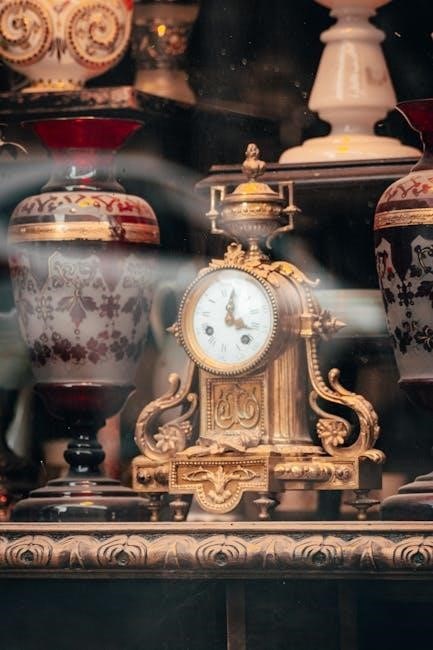
The case wood is crucial; mahogany and walnut are highly desirable. Condition plays a vital role – original, unrestored examples are often preferred, though careful restoration by a qualified professional can enhance value. The movement, whether weight-driven or spring-driven, impacts price, with complex movements increasing worth.
Provenance and historical documentation also contribute to value. A clock with a documented history or association with a notable figure will command a higher price. Thorough appraisal, considering all these factors, is essential for accurate valuation.
B. Grandmother Clocks (Bracket Clocks)
Grandmother clocks, frequently bracket clocks, generally fall into a more accessible price range than their grandfather clock counterparts, though exceptional examples can still be quite valuable. An English grandmother clock circa 1900, as appraised in Vintage San Francisco, demonstrates the typical aesthetic and potential value within this category.
These clocks are prized for their portability and elegant designs. The quality of the case, often constructed from mahogany or other fine woods, significantly impacts value. Intricate marquetry or detailed carvings increase desirability. The movement’s complexity and the presence of features like chime mechanisms also contribute to price.
Condition is paramount; well-maintained clocks with original components are more valuable. Restoration should be undertaken with care to preserve the clock’s originality and character. Accurate appraisal requires considering these factors alongside maker’s marks and historical context.
C. French Pendulum Clocks (Mantel Clocks)
French pendulum clocks, often referred to as mantel clocks, represent a significant portion of the antique clock market, showcasing diverse styles from Louis XV to Art Deco. A French pendulum clock from approximately 1865, appraised in Vintage Baltimore, exemplifies the craftsmanship and aesthetic appeal of this period.
These clocks are frequently distinguished by their ornate cases, often featuring porcelain dials, gilded bronze mounts, and elaborate carvings. The quality of the movement, typically a spring-driven mechanism, is crucial for determining value. Clocks with complex striking or repeating mechanisms command higher prices.
The presence of a maker’s mark, such as those from renowned French clockmakers, substantially increases desirability. Condition plays a vital role; clocks with original parts and minimal restoration are highly sought after. Careful evaluation of the case, dial, and movement is essential for accurate appraisal.
D. Carriage Clocks
Antique carriage clocks are highly collectible timepieces, prized for their portability and intricate designs. Developed in the 19th century, these clocks were originally designed for travel, fitting neatly within a carriage. Their compact size belies the complexity of their movements, typically featuring a spring-driven mechanism and a robust suspension system to withstand movement.
Value is significantly influenced by the maker, with names like Dent, Winner, and Longmans commanding premium prices. The quality of the gilding, the enamel dial, and the overall condition are also critical factors. Originality is paramount; clocks retaining all original components are far more valuable.
Look for hallmarks and maker’s marks to verify authenticity and provenance. Restoration should be minimal and expertly executed to preserve the clock’s historical integrity. A well-maintained carriage clock represents a significant investment and a beautiful addition to any collection.
E. Wall Clocks (Including Vienna Regulators)
Wall clocks encompass a diverse range of styles and values, from simple kitchen clocks to elaborate Vienna Regulators. Vienna Regulators, originating in the mid-19th century, are particularly sought after for their precision and distinctive design, often featuring a clean, minimalist aesthetic and a visible pendulum.
Value hinges on the clock’s originality, condition, and the reputation of the maker. German-made Vienna Regulators generally command higher prices than those from other origins. The quality of the movement, the condition of the wooden case (typically walnut or oak), and the presence of original weights and pendulum are all crucial.
Examine the dial carefully for cracks or restoration. A well-preserved Vienna Regulator, with its original features intact, can be a substantial investment. Other wall clocks, depending on age and rarity, can range from modest to considerable value.
III. Factors Influencing Antique Clock Value
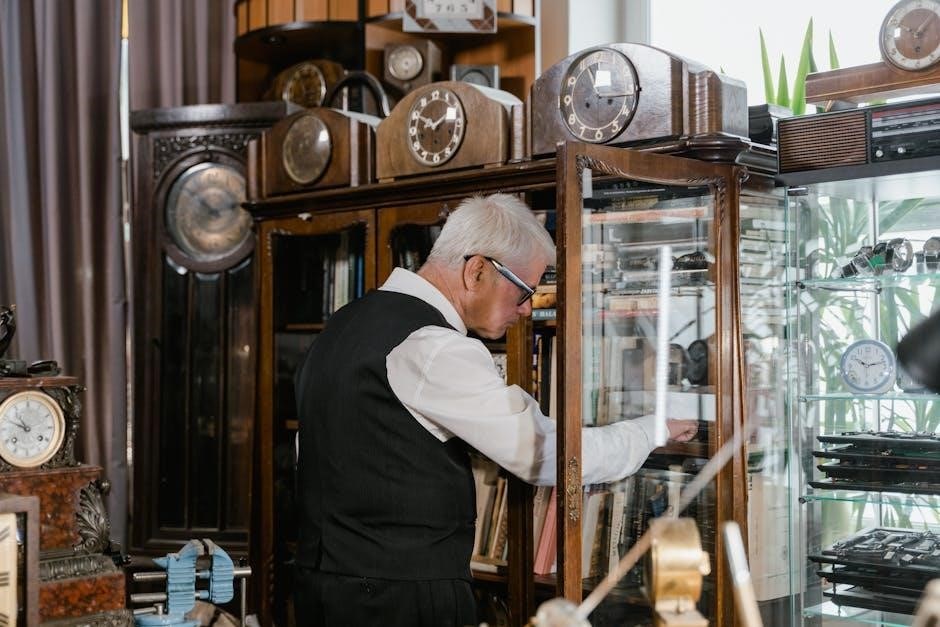
Determining an antique clock’s worth is a multifaceted process, extending beyond mere age. Maker and brand recognition significantly impact value; clocks from renowned horologists command premiums. Age and the historical period also play a role, with clocks from significant eras often being more desirable.
Condition is paramount; clocks in original, well-maintained condition are worth considerably more than those requiring extensive restoration. However, sympathetic restoration – preserving originality – can enhance value. Rarity and limited production runs dramatically increase desirability and price.
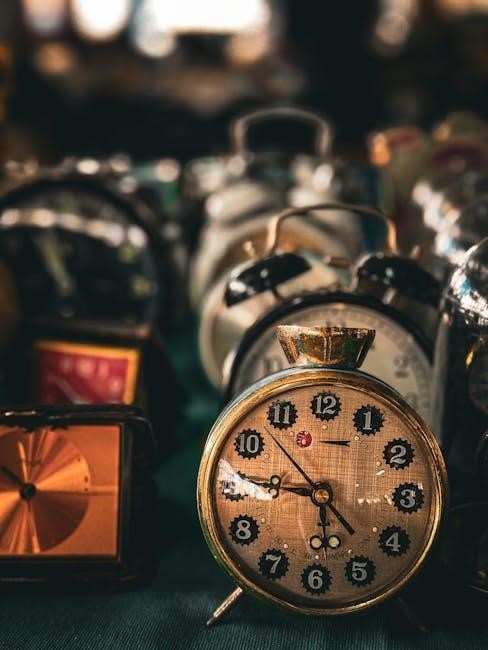
Provenance, or the clock’s history of ownership, can also contribute to its value. Finally, current market trends and collector demand influence pricing, making ongoing research essential for accurate appraisal.
A. Maker & Brand Recognition
The reputation of a clock’s maker is a cornerstone of its value. Clocks crafted by celebrated horologists – those with established skill and historical significance – consistently achieve higher prices. Brand recognition extends beyond individual makers to encompass workshops and regions known for quality clockmaking.
English longcase clocks, for example, often benefit from the prestige associated with makers like Tompion or Graham. Similarly, French pendulum clocks from renowned Parisian ateliers command respect. Identifying the maker often requires examining the clock’s dial, movement, or case for signatures, marks, or labels.
A well-documented maker history further enhances value, providing provenance and confirming authenticity. Even lesser-known makers can gain recognition through specialized research and collector communities.
B. Age & Historical Period
The age of an antique clock significantly impacts its value, though it’s not a simple linear progression. Earlier clocks, particularly those representing pivotal moments in horological development, often command premiums. However, age must be considered alongside condition and rarity.
Clocks from the 17th and 18th centuries are generally more valuable than those from the 19th century, reflecting the craftsmanship and technological advancements of those eras. The historical period also plays a role; clocks associated with significant events or styles – like the Victorian era – may attract collectors.
A clock circa 1900, as seen in appraisals from Vintage San Francisco, demonstrates that age isn’t everything. Context and style matter. Determining the precise age requires careful examination of the movement, case construction, and stylistic features.
C. Condition & Restoration
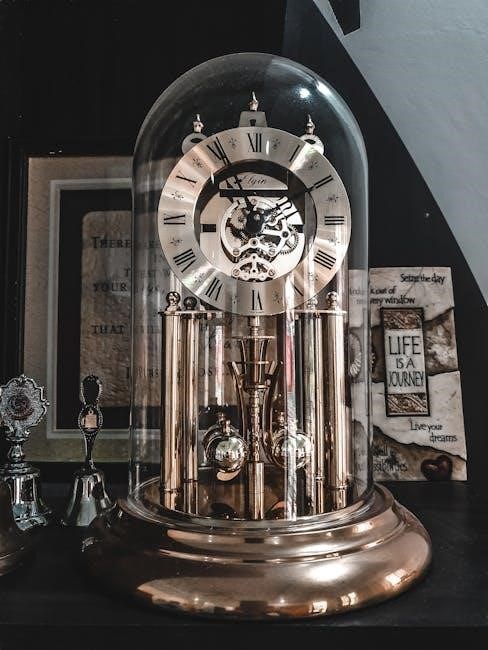
The condition of an antique clock is a paramount factor in determining its value. Originality is highly prized, and clocks retaining their original components – dial, hands, movement, and case – generally fetch higher prices. However, “condition” doesn’t necessarily mean pristine.
A clock with honest wear, reflecting its age and use, is often more desirable than one that has undergone extensive, unsympathetic restoration. Poorly executed repairs can significantly diminish value. Skilled restoration, preserving originality, is acceptable and sometimes necessary for functionality.
Appraisals, like those featured on DrLoriV.com, often consider the extent of restoration. A French pendulum clock from Vintage Baltimore, ca. 1865, would be assessed on the quality of any repairs. Maintaining the clock’s integrity is key to preserving its worth.
D. Rarity & Limited Production
Rarity is a significant driver of value in the antique clock market. Clocks produced in limited numbers, or those from lesser-known makers, can command substantial premiums, especially if they possess unique features or historical significance. Scarcity directly impacts desirability among collectors.
Certain clock types, like specific variations of carriage clocks or grandfather clocks, were produced in smaller quantities than others. Identifying these limited-edition pieces requires detailed research and often, expert appraisal. The fewer examples available, the higher the potential value.
Appraisal events, such as those conducted through DrLoriV.com, frequently uncover rare clocks. An English grandmother clock, circa 1900, from Vintage San Francisco, might be particularly valuable if it represents a unique design or a small production run, increasing its collectibility.
IV. Identifying Clock Components & Markings
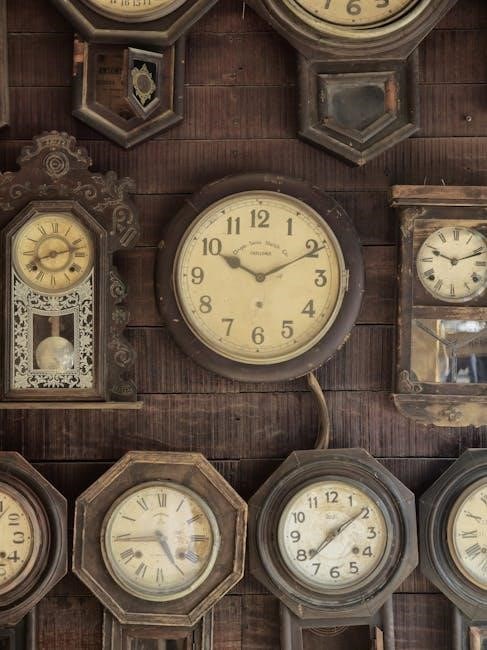
Accurate identification of clock components is crucial for valuation. Examining the movement – whether weight-driven or spring-driven – provides initial clues about age and manufacturing techniques. Dial materials, like porcelain or brass, and their intricate designs, contribute significantly to a clock’s aesthetic and monetary worth.
Case woods, such as mahogany, walnut, or oak, and the quality of veneers used, are also important indicators. Identifying a maker’s mark or serial number is paramount. These markings, often found on the movement or dial, can unlock a clock’s history and provenance.
Expert appraisal, as offered by services like DrLoriV.com, can assist in deciphering these details. A French pendulum clock, circa 1865, appraised in Vintage Baltimore, would benefit from a thorough component and marking analysis to establish authenticity and value.
A. Movement Types (Weight-Driven, Spring-Driven)
The clock’s movement is its mechanical heart, profoundly impacting value. Weight-driven movements, common in grandfather clocks, rely on the descent of weights to power the timekeeping. These often indicate earlier production periods and can be highly collectible, especially with intricate mechanisms.
Spring-driven movements, frequently found in smaller clocks like mantel and carriage clocks, utilize a coiled spring. Their complexity and precision contribute to value. Identifying the movement type is the first step in assessing a clock’s age and quality.
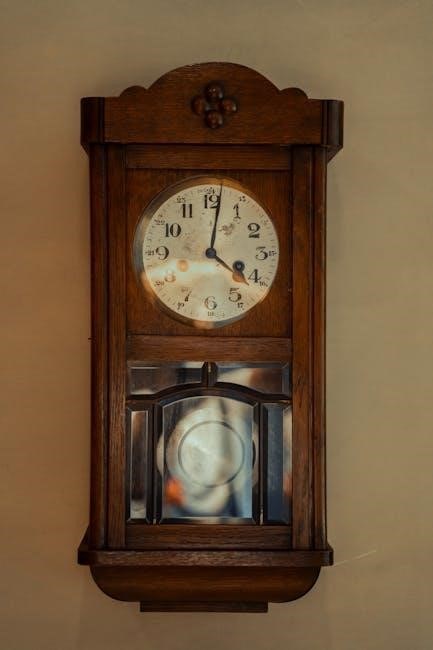
Appraisals, such as those conducted through DrLoriV.com, consider the movement’s condition, originality, and any modifications. A well-maintained original movement significantly enhances a clock’s desirability and market price, regardless of the clock type.
B. Dial Materials & Designs (Porcelain, Brass)
A clock’s dial is a key aesthetic and value component. Porcelain dials, often found in French pendulum clocks (mantel clocks) as seen in Vintage Baltimore appraisals, are highly prized for their delicate artistry and enamel work. Intricate hand-painted designs and pristine condition dramatically increase value.
Brass dials, common in earlier longcase and bracket clocks, showcase varying levels of engraving and detail. The quality of the engraving, the presence of hallmarks, and the overall design contribute to the dial’s worth.
Condition is paramount; cracks, chips, or restoration can diminish value. Appraisals, like those available via DrLoriV.com, carefully examine dial materials and designs, factoring in originality and craftsmanship to determine accurate valuations.
C. Case Woods & Veneers (Mahogany, Walnut, Oak)
The wood used in a clock’s case significantly impacts its value. Mahogany, prized for its rich color and grain, is frequently found in high-quality grandfather and bracket clocks. Walnut cases, offering a slightly darker tone, are also desirable, particularly in 19th-century examples.
Oak, a more common and generally less expensive wood, appears in many earlier and more provincial clocks. The quality of the oak, the intricacy of the carving, and the overall design influence its worth.
Veneers, thin layers of decorative wood applied to a base, can enhance a clock’s appearance. However, extensive veneer damage or poor restoration can detract from value. Appraisals, such as those conducted at Vintage San Francisco, assess wood types, veneer quality, and the skill of any repairs.
D. Identifying Maker’s Marks & Serial Numbers
Locating a maker’s mark or serial number is crucial for accurate antique clock valuation. These identifiers, often found on the movement, dial, or case, help establish provenance and authenticity. Renowned makers command higher prices, as highlighted in appraisals from DrLoriV.com.
Maker’s marks can range from elaborate signatures to simple initials. Serial numbers, when traceable, can pinpoint the year of manufacture and potentially the original owner. Databases and specialist dealers are invaluable resources for decoding these markings.
However, not all clocks are marked, and some markings may be obscured by age or restoration. Careful examination, sometimes requiring a clockmaker’s expertise, is essential. Understanding these details, as seen in evaluations like those from Vintage Baltimore, significantly impacts an antique clock’s assessed value.
V. Resources for Clock Valuation & Appraisal
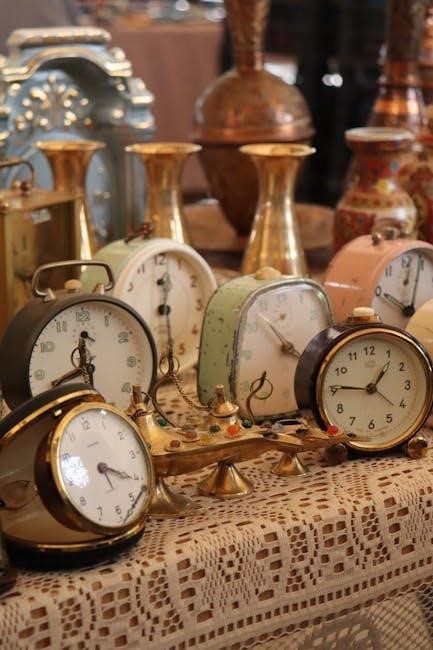
Determining the value of an antique clock often requires utilizing specialized resources. Online appraisal services, such as DrLoriV.com, offer convenient preliminary assessments based on submitted photographs and details. These provide a general estimate but aren’t substitutes for professional, in-person evaluations.
Auction house databases – Christie’s and Sotheby’s are prime examples – provide valuable sales data, revealing prices realized for comparable clocks. This historical data helps establish current market values. However, interpreting auction results requires experience.
Engaging antique clock dealers and specialists is highly recommended. Their expertise, combined with access to extensive networks and knowledge, ensures a thorough and accurate appraisal. Events like those in Vintage San Francisco and Baltimore offer opportunities to connect with such professionals, gaining insights into your clock’s worth.
A. Online Appraisal Services (DrLoriV.com example)
Online appraisal services offer a convenient first step in assessing your antique clock’s potential value. Platforms like DrLoriV.com allow owners to submit photographs and detailed descriptions of their timepieces for a professional opinion. This method provides a preliminary estimate, useful for initial understanding, but isn’t a substitute for a hands-on evaluation.
The process typically involves a fee-based assessment where qualified appraisers review the submitted information. They consider factors like maker, age, condition, and rarity to provide a valuation range. While not as comprehensive as an in-person appraisal, it’s a cost-effective way to gain insight.
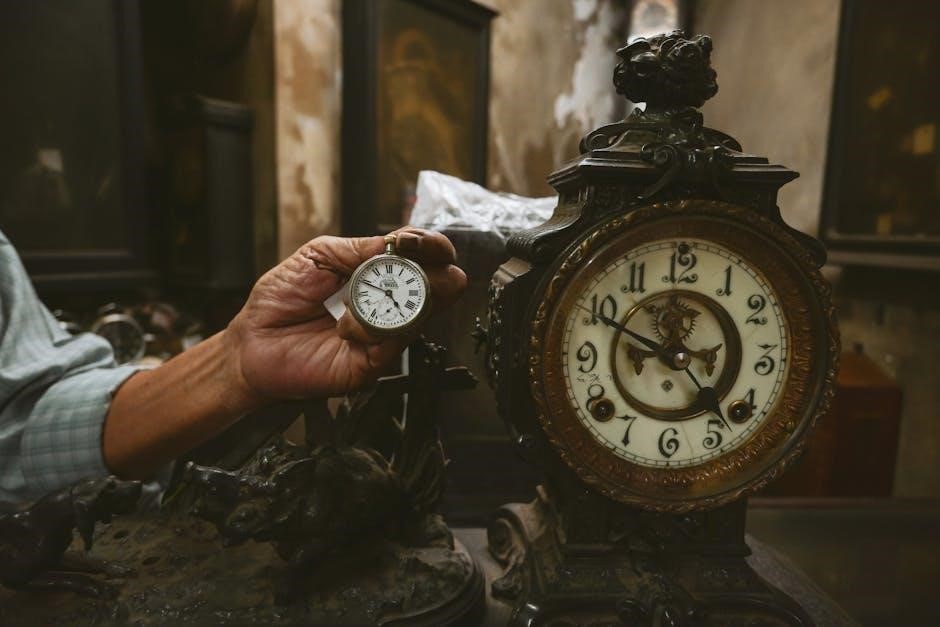
Remember to choose reputable services with experienced appraisers. DrLoriV.com, for instance, leverages expertise gained from public appraisal events and extensive experience in the antique market, offering a reliable starting point for your clock’s valuation journey.
B. Auction House Databases (Christie’s, Sotheby’s)
Auction house databases, such as those maintained by Christie’s and Sotheby’s, represent a valuable resource for researching antique clock values. These platforms archive past auction results, providing a historical record of prices realized for comparable timepieces. Examining these records can reveal market trends and establish a realistic price range for your clock.
Searching these databases requires specific information, including the clock’s maker, type, and any unique features. Pay close attention to the condition of the clocks sold, as this significantly impacts value. Comparing your clock to similar items with documented sale prices offers a data-driven approach to valuation.
However, remember that auction results reflect prices achieved under specific circumstances, including bidding competition and the auction house’s commission. These databases provide guidance, but a professional appraisal remains crucial for an accurate assessment.
C. Antique Clock Dealers & Specialists
Engaging with reputable antique clock dealers and specialists offers personalized valuation expertise. Unlike online databases, these professionals provide hands-on assessment, considering nuances that photographs often miss. Their deep knowledge of clock mechanisms, historical periods, and maker’s marks is invaluable.
Seek out dealers with demonstrable experience and a strong reputation within the antique clock community. A qualified specialist can accurately identify your clock’s type, age, and origin, factors crucial for determining its value; They can also assess the quality of any restoration work performed.
While a dealer’s appraisal may come with the expectation of a potential sale, their insights into current market demand and collector preferences are highly beneficial. Obtaining multiple opinions from different specialists is recommended for a well-rounded valuation.